 English
 Spanish
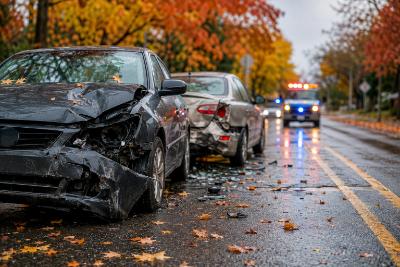
Fall car accident claims can become more complicated when seasonal road conditions change quickly. Cooler temperatures may bring rain, fog, wet leaves, frost, earlier darkness, and sharper temperature swings in parts of the USA. These conditions can reduce visibility, affect traction, and increase the distance a vehicle may need to stop. In Florida and other warmer states, autumn is usually milder, but heavy rain, wet pavement, glare, school traffic, tourism, construction, and holiday travel can still create driving hazards.
Fast Funds, Inc. works with qualifying plaintiffs who are represented by an attorney and need financial support while a car accident claim is pending. A seasonal crash does not automatically make a claim stronger, and weather alone does not prove fault. Liability depends on the facts, available evidence, insurance coverage, injuries, medical treatment, and applicable state law.
Why Fall Driving Conditions Can Increase Crash Risk 
Fall driving conditions can change from one trip to the next. A dry morning may turn into a wet afternoon. An evening commute may become darker earlier in the season. In colder areas, frost can develop on bridges, ramps, overpasses, and shaded pavement even when nearby roads appear clear.
Several fall driving conditions can affect drivers at the same time:
- Wet pavement can reduce tire traction and increase stopping distance.
- Fallen leaves can cover lane markings, potholes, debris, or standing water.
- Fog and rain can make vehicles, pedestrians, bicyclists, and traffic signals harder to see.
- Earlier sunsets can place more commuters on the road after dark.
- Frost can create slick areas on bridges, overpasses, ramps, and shaded roads.
- Low-angle sunlight can create glare during morning and evening travel.
Drivers still have a responsibility to adjust to road and weather conditions. Depending on the circumstances, that may include reducing speed, increasing following distance, using headlights properly, and avoiding sudden braking or lane changes.
Weather Can Affect Road Conditions, but It Does Not Decide Fault
Weather can contribute to a dangerous driving environment, but liability still depends on what happened before, during, and after the collision. Evidence about driver behavior, roadway conditions, vehicle movement, visibility, and other facts can matter.
- WHAT CLIENTS ARE SAYING -
Seasonal Risks Across the States We Serve
Seasonal risks are not the same in every state. Fast Funds currently serves qualifying plaintiffs in Alabama, California, Florida, Georgia, Massachusetts, Michigan, Mississippi, New York, Oregon, Pennsylvania, Texas, Virginia, and Washington.
In colder states such as Michigan, New York, Massachusetts, and Pennsylvania, fall may bring wet leaves, fog, frost, and early freezing conditions. In Washington and Oregon, repeated rainfall can leave pavement wet for longer periods and reduce visibility. Virginia can experience a mix of rain, leaf-covered roads, fog, and colder mornings.
Florida, Georgia, Alabama, Mississippi, Texas, and parts of California often have milder autumn temperatures. Drivers can still encounter heavy rain, glare, wet pavement, school traffic, tourism, road construction, and increased holiday travel. In Florida, sudden rain followed by bright sunlight can change visibility within a short period.
The main concern is not that fall weather always causes more crashes. The concern is that changing road and visibility conditions may require drivers to adjust speed, following distance, lane position, and braking.
For information about the states where Fast Funds currently provides lawsuit funding, visit:
https://fastfunds.us/eligible-states/
Common Fall Collision Patterns
Common fall collision patterns can include rear-end crashes, sideswipes, intersection collisions, loss-of-control crashes, and multi-vehicle accidents.
A rear-end collision may occur when a driver follows too closely on wet pavement and cannot stop in time. A sideswipe may happen when rain, darkness, or covered lane markings make it harder to stay within a lane. A vehicle may lose traction on a curve covered by wet leaves, frost, or standing water. Multi-vehicle crashes can develop when one vehicle brakes suddenly and the drivers behind it do not have enough room to stop.
Intersection crashes may also occur when rain, fog, glare, or darkness limits visibility. Pedestrians and bicyclists can be harder to see during evening commutes, especially in congested traffic or poor weather.
If you were injured in a vehicle collision and are waiting for your claim to move forward, learn more about car accident cash advances here:
https://fastfunds.us/car-accident-cash-advances/
Applying For Lawsuit Funding Types of Cases We FundRelated Videos
What Evidence Can Matter After a Fall Car Accident?
Evidence after a fall car accident can be especially useful because weather-related conditions may disappear quickly. Rain can stop, frost can melt, leaves can be cleared, vehicles can be moved, and a roadway may look very different later in the day.
When it is safe and practical, useful evidence may include:
- Photos or video of the roadway, vehicle positions, vehicle damage, and visible injuries
- Images of wet leaves, standing water, fog, frost, poor lighting, or blocked lane markings
- Police reports and crash exchange information
- Witness names and contact information
- Dash camera footage or nearby surveillance footage
- Medical records and treatment recommendations
- Insurance information
- Repair estimates and vehicle inspection records
- Records of missed work or other accident-related financial losses
Your attorney can decide which evidence may be relevant and how it should be preserved. A claim may require a more detailed investigation when a road defect, construction zone, commercial vehicle, rideshare driver, government entity, or multiple vehicles are involved.
How a Fall Car Accident Claim Can Create Financial Pressure
A fall car accident claim can create financial pressure long before a settlement or judgment is reached. Injuries may lead to missed work, medical appointments, therapy, medication costs, childcare needs, transportation expenses, or temporary vehicle costs.
An insurer may need time to investigate liability, review medical records, confirm coverage, evaluate treatment, and negotiate damages. More serious claims may involve expert review, depositions, litigation, or court scheduling. During that period, rent, utilities, groceries, transportation costs, and other household expenses continue.
Some injured plaintiffs use savings, insurance benefits, family assistance, payment arrangements, or other resources. Others may consider pre-settlement funding when they need money for specific expenses while their attorney continues handling the claim.
What Pre-Settlement Funding Means After a Car Accident
Pre-settlement funding is a financial arrangement tied to the anticipated proceeds of a pending legal claim. It is generally structured differently from a traditional personal loan because the funding decision focuses mainly on the value and risk of the claim rather than ordinary consumer credit repayment.
You can read more about how litigation funding works here:
https://fastfunds.us/how-litigation-funding-works/
You can also review Fast Funds pre-settlement funding information here:
https://fastfunds.us/pre-settlement-funding/
Fast Funds works with the plaintiff and the plaintiff’s attorney to review the claim. The review may include liability, available insurance, injuries, medical treatment, liens, prior advances, attorney fees, case costs, and the expected net recovery.
If funding is approved, the written agreement explains the amount advanced and the amount Fast Funds will receive from a successful recovery. You should review the agreement carefully and discuss any questions with your attorney before signing.
How Non-Recourse Funding Differs From a Traditional Loan
Non-recourse funding differs from a traditional loan because repayment depends on a successful recovery under the funding agreement. Fast Funds states that its non-recourse advances do not charge interest and do not require monthly payments. If the claim does not result in a qualifying recovery, Fast Funds does not receive repayment from your wages or personal assets under its non-recourse structure.
Funding still has a cost. Fast Funds purchases a portion of the anticipated proceeds, and the agreement explains how much the company will receive if the case results in a successful recovery. The amount paid from a recovery reduces the money remaining after attorney fees, medical liens, case costs, and other deductions.
For that reason, you may want to request only the amount needed for current, defined expenses and review the contract terms carefully.
For answers about repayment, attorney involvement, paperwork, timing, and other funding questions, visit:
https://fastfunds.us/litigation-funding-faqs/
For information about how Fast Funds structures its charges, visit:
https://fastfunds.us/how-we-charge/
A Practical Fall Car Accident Example
Consider a hypothetical Michigan driver who is rear-ended on a wet October evening. The driver suffers a shoulder injury, begins physical therapy, and misses several weeks of work. The attorney is gathering medical records and insurance information while the client is also paying for transportation, groceries, utilities, and treatment-related travel.
The client applies for a modest lawsuit advance to cover defined household expenses. The funding company reviews the crash facts, available insurance, medical treatment, attorney information, existing liens, prior funding, and the projected net recovery.
Approval is not automatic. The advance does not determine fault, prove liability, or increase the legal value of the claim. It may provide financial support while the attorney continues handling the case.
Questions to Ask Before Accepting a Lawsuit Advance
Before accepting a lawsuit advance, ask clear questions about the agreement and the amount that may be paid from a successful recovery.
Questions may include:
- How much cash will I receive?
- How is the amount paid to the funding company calculated?
- Are there separate charges or fees?
- Does the amount due change based on the length of the case?
- What happens if the recovery is smaller than expected?
- What happens if the case does not result in a recovery?
- Does the agreement include a repayment cap?
- Does my attorney need to sign or acknowledge the agreement?
- How could the advance affect my estimated net recovery?
- Can I request a smaller amount?
Your attorney can help you understand how the funding agreement may affect the money that remains after the case resolves.
Get Help While Your Fall Car Accident Claim Is Pending
If a fall car accident in Florida or another eligible state has left you facing bills while your attorney handles the claim, Fast Funds, Inc. can review your request for a lawsuit cash advance and explain the available terms. Eligibility depends on the facts, documentation, insurance, injuries, expected recovery, and financial structure of the claim.
Fast Funds works with represented plaintiffs in Alabama, California, Florida, Georgia, Massachusetts, Michigan, Mississippi, New York, Oregon, Pennsylvania, Texas, Virginia, and Washington.
Call (855) 576-3444 or visit:
https://fastfunds.us/contact-us/
This article is for informational purposes only and is not legal advice. Consult an attorney about your specific situation.