 English
 Spanish
Jones Act Cash Advances
Most seaman injuries fall under the Jones Act, which is a federal maritime law that provides for benefits to those who are injured on sea-going vessels on navigable waters, and offshore oil rigs that can be towed and are not permanently affixed to the ocean floor. In cases that arise under the Jones Act, courts either apply the common-law concept of proximate cause or utilize standard tests of causation. Settlements under the Jones Act can be significant, but often are quite complex and take time to resolve. Because seaman injuries are often severe and weekly income becomes inadequate, many victims rush to settlement instead of holding off for more fair and just compensation. Do not let this happen to you.
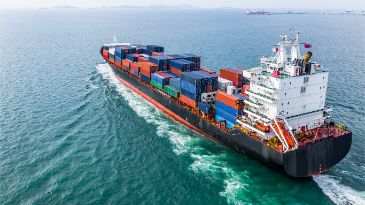 We at Fast Funds understand the plight of having to support a family until your case is settled favorably. We offer settlement Jones Act cash advances. Such advances are based on the potential outcome. Unlike other pre-settlement funding sources, we do not charge interest on the advances; we simply buy a very small percentage of the expected settlement. If the unfortunate happens and the case is lost, we do not even have to be paid back!
What Are Jones Act Cases?
The Jones Act is a federal maritime law that provides benefits to workers who are injured while working on a vessel. The Act also makes provisions for the families of seamen who are killed in the performance of their duties. Under the Jones Act, a seaman and his family may recover against an employer for lost wages, future lost earning capacity, past and future medical expenses and damages for pain and suffering, as well as mental anguish.
Under the Jones Act and general maritime law, a case may be filed only by a qualified “seaman.” The seaman must be on board a vessel “in navigation” at sea or in a body of water that is connected to interstate or international commerce when injury occurred. Additionally, the seaman must spend a substantial amount of work time on board the vessel.
Fishermen, cruise ship workers, ferry boat workers, tug boat workers, barge workers, oil platform workers, construction workers of vessels and barges, and commercial divers all can be classified as seamen under the Jones Act. Filing a case under the Jones Act can be complex and take some time before a settlement is reached.
Frequently Asked Jones Act Questions

How do I apply for lawsuit funding?
What information do I need for a lawsuit cash advance?
Can I get a lawsuit cash advance today?
How soon can I request a lawsuit cash advance?
Can I get a lawsuit cash advance in my state?
How do I apply for a lawsuit cash advance?
Can I apply for an advance over the phone?
Do I need to apply in person for a cash advance?
 Do I need an attorney for a lawsuit cash advance?
 Do I need an attorney for a lawsuit cash advance?
Can I get an advance if I just hired my attorney?
Should I tell my attorney about my lawsuit cash advance?
What happens with the advance if I change my attorney?
What if my attorney is not cooperating with my lawsuit funding request?
Do I need any documents to get a cash advance?
Do I need to undergo an MRI to qualify for a cash advance?
Do I need to be employed to apply for a lawsuit cash advance?
What paperwork is involved with a lawsuit cash advance?
 What paperwork is involved with a lawsuit cash advance?
Do I have to sign anything in order to get a cash advance?
How many times can I get a lawsuit cash advance?
Are You Waiting for a Settlement for Your Seaman Injuries?
Getting the money you need for your injuries before your case is settled is fast and simple with Fast Funds. Our Jones Act cash advances are contingent upon your expected settlement–we are purchasing a portion of the anticipated proceeds. There are no monthly fees or interest to be paid. We get repaid only upon a successful recovery. In the unexpected event that your case is lost, do not worry, because we do not have to be paid back! We only get paid if you get paid.
At Fast Funds, we understand that both plaintiffs who are involved in lengthy Jones Act cases need money to support themselves while waiting for a settlement. Claimants must continue to support their families even though no money is coming in. We offer claimants a way to get the money they need, and we place no limitations on the time by which the case must be resolved. No matter how long the case takes, you pay no interest on the money advanced.
Fast Funds is the premier funding source in Jones Act cases and other litigation. Litigation is often complicated and takes time, but our funding process is simple. All you need to do is complete a short initial application, which you can do right here on our site. We will review the application and when approved, you can receive funding within 24 hours!
-

-
Client Reviews

“Three years ago I had a car accident and I needed immediate help to cover lost wages. Fast Funds swooped in to the rescue and advanced me money to survive. It is 3 years later now my case is settled and Fast Funds got their money back. I must say that 3 years without worrying about making a loan payment or getting collection calls is well worth the fee. I absolutely love what they did to help and would recommend them to anyone waiting on the evil insurance companies to make things whole again.”
– Derrick Phillips
Read More Reviews





Frequently Asked Questions About Jones Act Cash Advances
The Jones Act is a federal maritime law that protects seamen injured during their employment on vessels operating in navigable waters. To qualify as a seaman under the Jones Act, you must have a substantial connection to a vessel or fleet of vessels, spend at least 30 percent of your work time on the vessel, and contribute to the vessel’s function or mission. Covered workers include ship crew members, commercial fishermen, tugboat operators, barge workers, offshore platform workers with vessel duties, and other maritime employees.
Jones Act cash advances provide pre-settlement funding to injured seamen based on the potential value of their Jones Act negligence claim, unseaworthiness claim, or other maritime damages. Fast Funds evaluates your case including seaman status qualification, employer negligence evidence, vessel unseaworthiness claims, injury severity and permanence, maintenance and cure benefits received, and potential settlement or judgment value. If approved, you receive funding immediately while your admiralty case proceeds, and only repay if you recover compensation.
Maintenance and cure is a no-fault benefit providing basic medical treatment and living allowance until maximum medical improvement, regardless of employer fault. Jones Act claims require proving employer negligence caused your injury and can provide full damages including past and future lost wages, pain and suffering, disability, and loss of earning capacity. Maintenance and cure is typically inadequate to cover true losses, so Jones Act claims often result in significantly higher recoveries. Lawsuit funding is based on Jones Act claim value, not maintenance and cure benefits.
Jones Act funding is available for various maritime injuries including slip and fall accidents on vessels, man overboard and drowning incidents, equipment malfunction injuries, back and spinal cord injuries from lifting or repetitive stress, explosion and fire injuries on vessels, toxic chemical exposure, struck by cargo or equipment, crush injuries from machinery, repetitive motion injuries, hearing loss from engine noise, hypothermia and cold water exposure, and other injuries caused by employer negligence or vessel unseaworthiness.
Jones Act negligence requires showing that your employer failed to provide a reasonably safe workplace and that failure contributed to your injury. Examples include failure to maintain equipment properly, inadequate training or safety procedures, insufficient crew staffing, defective safety equipment, unsafe vessel conditions, failure to warn of known hazards, or violation of maritime safety regulations. The Jones Act uses a lower negligence standard than typical personal injury cases, making it easier for injured seamen to recover damages.
Unseaworthiness is a strict liability claim that does not require proving negligence. A vessel is unseaworthy if it is not reasonably fit for its intended purpose, including defective equipment or structures, inadequate crew training or competence, insufficient crew size, or unsafe working conditions. Unseaworthiness claims can be pursued alongside Jones Act negligence claims, potentially increasing total recovery. Both claim types can be included in lawsuit funding evaluations to maximize your advance amount.
Jones Act maritime cases are complex and often take 18 months to 3 years or longer to resolve due to technical maritime law issues, multiple defendant coordination, extensive medical documentation requirements, expert witness testimony needs, and vessel owner resistance to claims. During this extended litigation, injured seamen face mounting medical bills, lost income from inability to work, inadequate maintenance and cure payments, and family financial pressure. Jones Act cash advances provide critical financial support allowing injured maritime workers to wait for fair settlements rather than accepting inadequate early offers.
Offshore oil rig and platform workers may qualify for Jones Act funding if they meet seaman status requirements, which depends on their specific duties and vessel connection. Workers who spend significant time on vessels servicing the platform, crew boats, or supply vessels may qualify as seamen. Workers primarily stationed on fixed platforms may be covered under the Longshore and Harbor Workers Compensation Act instead. Your maritime attorney can evaluate your seaman status and potential Jones Act claim eligibility for lawsuit funding.
Jones Act cash advances from Fast Funds are non-recourse, meaning you only repay if you win your case or receive a settlement. If your Jones Act claim is unsuccessful and you recover no compensation, you owe nothing back to the funding company. This non-recourse structure protects injured maritime workers from financial risk during complex admiralty litigation and ensures that seeking funding does not create additional debt if the case outcome is unfavorable.
Jones Act funding amounts depend on several factors including severity and permanence of your maritime injuries, strength of negligence or unseaworthiness evidence, your pre-injury wages and earning capacity, maintenance and cure benefits already received, stage of litigation and case development, defendant vessel owner resources and insurance, and estimated settlement or verdict value. Jones Act cases often involve significant damages due to lost maritime wages and permanent disabilities, so funding can range from several thousand dollars to one hundred thousand dollars or more for catastrophic injury cases.